The Complete Guide to Your First Autumn Surf Season
Quick Answer: Autumn gives you the best combination of the year - warm water left over from summer, more consistent swell, and far fewer people - but it also brings shorter daylight, faster-changing conditions, and a water temperature that drops steadily from now on. The three things that need to change are your wetsuit, your session timing, and your conditions checking. Everything else stays the same. Get the wetsuit right first; it decides whether you keep surfing in November.
Summer taught you to surf in whatever was there.
Autumn asks you to pick your day - and rewards you enormously for doing it.
Why is autumn considered the best surf season?
Because three separate factors line up, and they only line up for a few months.
Swell consistency improves substantially. The storm systems that generate open-ocean swell become more frequent and more organised as the season turns. Summer surf in most places is intermittent and small; autumn produces regular, better-formed waves with more energy behind them. For anyone past their first few sessions, this is when progress accelerates, because you finally get repeated exposure to waves worth practising on rather than one decent day a fortnight.
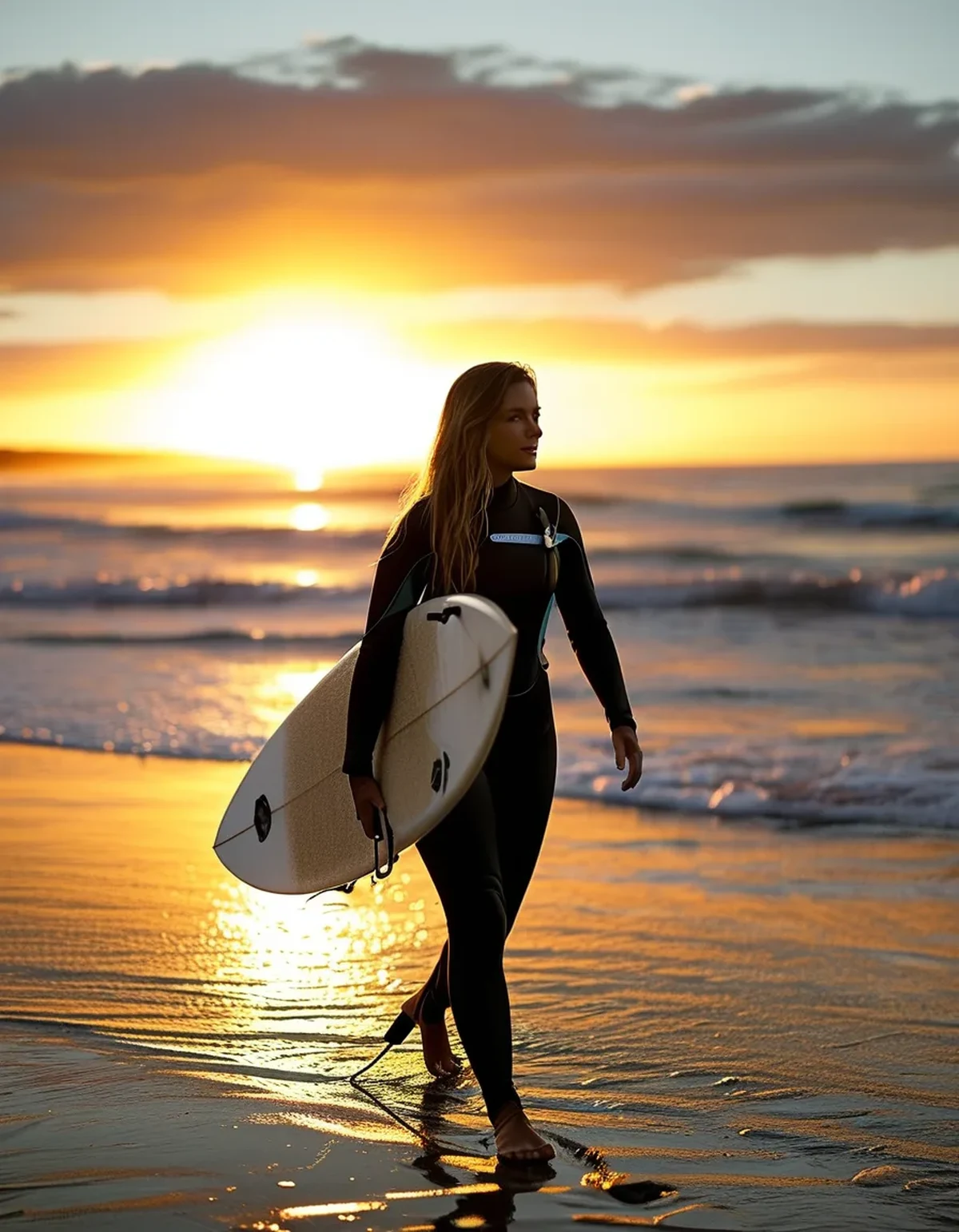
The water is still warm. This is the part people get wrong. Ocean temperature lags air temperature by roughly a couple of months, which means the water in early autumn is often at or near its annual peak - warmer than it was in June, despite the air being cooler. The first weeks of autumn are frequently the warmest water of the entire year, which is a genuinely strange fact until you have experienced it.
And the crowds disappear. Summer beaches empty out as soon as the school year starts and the air cools, even though conditions are improving. Lineups that held thirty people in July hold six in September. More waves per person is the single biggest accelerator for a developing surfer - you get more attempts, more time on your feet, and far less pressure.
Winds also tend to be more favourable. Offshore mornings become more common as land cools faster than water overnight, which cleans up wave faces considerably. A clean autumn morning at a mediocre break beats a messy summer day at a good one.
The trade-off is variability. Autumn conditions change faster and more dramatically than summer conditions do. The skill autumn asks you to develop is reading a forecast - and that skill is the one that separates people who surf a lot from people who surf occasionally.
What wetsuit do you actually need now?
The one that matches the water in six weeks, not the water today - and it should be bought before you need it.
Water temperature falls steadily from the early autumn peak. A suit that is comfortable in September will be marginal in late October and inadequate by November. Buying for today’s water is the mistake that ends most people’s first autumn season, because the day it gets cold is the day they stop going.
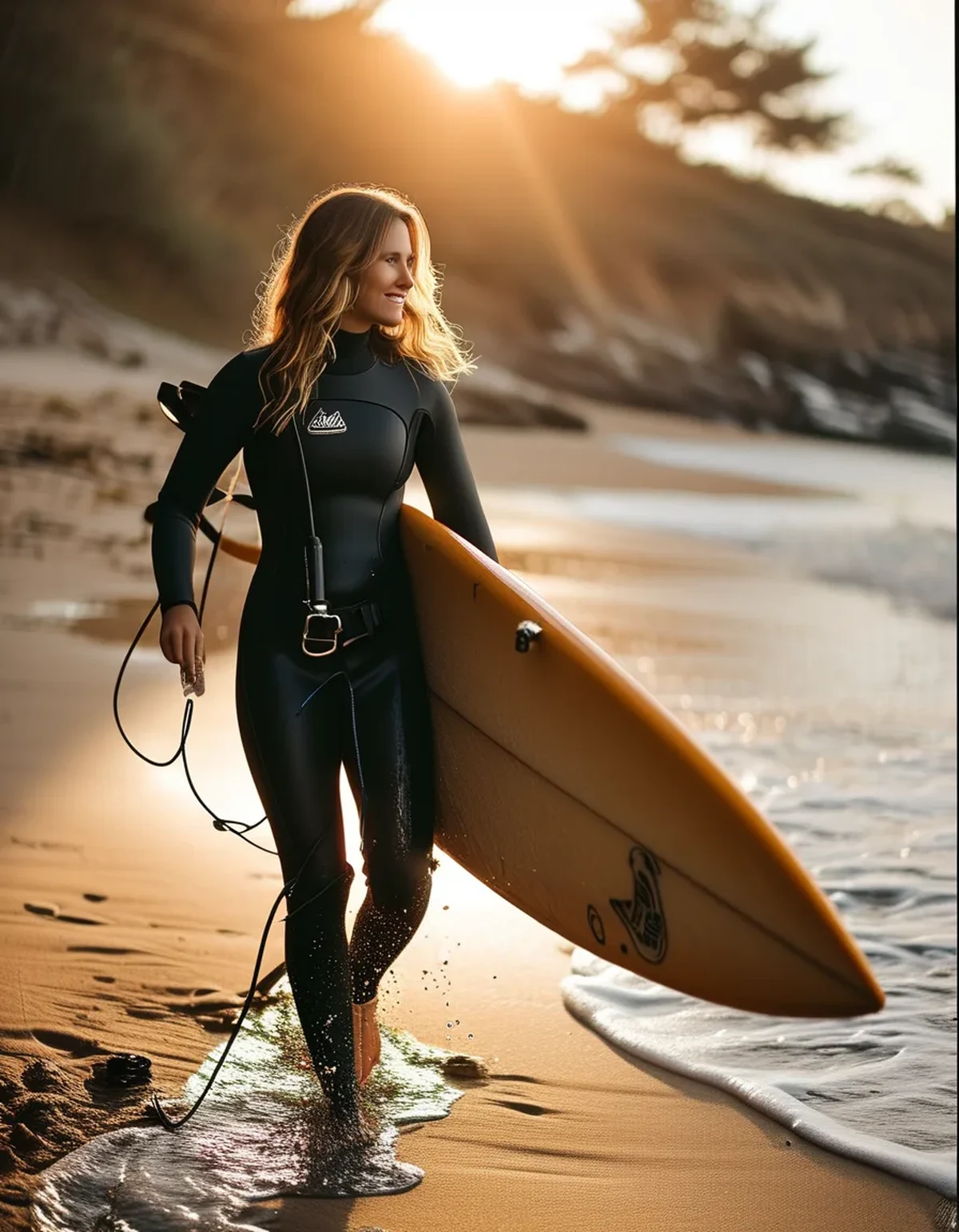
Thickness is described by two numbers, the first being the torso and the second the limbs - a 4/3 has thicker material over the core where heat loss matters most. Core warmth is what determines how long you can stay in, and limb flexibility is what determines whether you can paddle properly, which is why the two numbers differ.
Fit matters more than thickness. A loose suit flushes cold water through with every duck dive and turn, and flushing is what actually makes you cold - not the material rating. A well-fitted thinner suit outperforms a loose thicker one comfortably. It should feel uncomfortably snug on land and correct in the water.
Seam construction is the detail that decides comfort. Flatlock seams are stitched through and let water in - fine for warm water, poor once it cools. Glued and blind-stitched seams do not perforate the neoprene and keep you significantly warmer. This is where the money goes on a cold-water suit, and it is worth it.
Add extremities before adding thickness. Boots first, then a hood, then gloves. Heat loss from the head and feet is disproportionate, and a thinner suit with boots and a hood often beats a thicker suit without them. Boots also transform how a cold, rocky autumn entry feels, which affects whether you bother going at all.
Rinse it in fresh water every single time and dry it inside out in shade. Salt, sun, and heat all destroy neoprene. A suit that gets rinsed lasts several seasons; one that lives damp in a car boot lasts one. Hang it over a wide rail or a thick hanger rather than a thin one, which creases and cracks the shoulders.
How should your session timing change?
Around daylight, which is now the constraint that decides everything.
Daylight shortens fast at this time of year - noticeably week to week, not month to month. A session that finished comfortably in light two weeks ago finishes in dusk today. Check actual sunset time weekly, not from memory, because your sense of it lags reality by about a fortnight all autumn.
Set a turnaround time and honour it. Decide before you paddle out what time you leave the water, and treat it as fixed. Usable light ends before sunset, not at it - roughly half an hour earlier in practice, and sooner under cloud. Getting caught in a lineup in fading light is genuinely dangerous, because you lose the ability to read incoming sets.
Morning sessions become the better default. Offshore winds are more common in the early hours as the land cools overnight, and the light is improving rather than fading - which removes the entire time pressure problem. A dawn session in autumn is the single best surfing available to most people.
Warm up properly on land now. Cold muscles, a thicker suit, and colder water together make the first ten minutes far more injury-prone than a summer paddle-out. Five minutes of arm swings, rotations, and a few pop-ups on the sand meaningfully reduces the shoulder problems that appear every autumn.
Plan the exit before you enter. Where you get out, where your car is, where your dry clothes are. Being cold and disorganised on a beach in falling light is how autumn sessions turn unpleasant, and it is entirely preventable with two minutes of thought.
Change quickly and layer immediately. Your body keeps losing heat after you get out - a warm layer and a hat within a few minutes of leaving the water makes a bigger difference to how the rest of your day feels than anything you do in the water. A flask of something hot in the car is not an indulgence in October.
What changes about reading the conditions?
Everything gets more variable, so checking becomes a habit rather than an occasional task.
Autumn swells arrive and fade faster than summer ones. A system can build overnight and be gone in two days. Checking a forecast twice a week means missing most of the good days, and checking every morning becomes routine surprisingly quickly.
Learn to read swell period, not just height. Period - the seconds between waves - tells you how much energy the swell carries and how well-organised it is. A longer-period swell of modest height produces far better, more powerful waves than a short-period swell twice the size. Period is the number that separates people who pick good days from people who get surprised.
Wind direction outranks nearly everything. An offshore wind grooms wave faces and makes an average swell excellent; an onshore wind destroys a good one. If you learn one thing from a forecast, learn what direction is offshore at your break. It is usually the difference between a session worth driving to and one that is not.
Tide matters more as swells get bigger. Many breaks that work at all tides in small summer surf become tide-specific once there is real energy in the water. Ask locally which tide your break prefers - this is knowledge that is almost impossible to derive from a chart and freely given if you ask.
Autumn brings stronger rip currents. More swell energy means more water moving, and rips become both more common and more powerful. Identifying the rip before you paddle out is now a required step, not an optional one - look for the channel of darker, calmer, choppier-surfaced water running seaward. If you are caught in one, paddle parallel to the beach rather than against it.
And respect the size step-up. Autumn is when a break you know well produces waves twice the size you have surfed there. Sit out the day that is clearly beyond you - the whole season is ahead of you, and the confidence damage from one bad hold-down lasts far longer than one missed session.
How do you keep progressing through the season?
By narrowing what you work on, because you now have enough waves to actually practise something.
Pick one thing per session and only one. Paddle position, pop-up timing, looking down the line, or bottom turn. A session with one focus produces more change than five sessions of general surfing, and autumn finally gives you the wave count to make repetition possible.
Paddling strength is the limiter for nearly everyone. More swell means more paddling out through more water, and arms give out long before legs do. Two sessions a week of pull-based land training - rows, pull-ups or assisted pull-ups, and shoulder stability work - changes your wave count more than any technical drill.
Film one session a month. Everyone’s mental image of their own surfing is wrong in the same specific ways - hands on the board too long in the pop-up, looking at the nose rather than down the line. Ten minutes of phone footage from the beach corrects more than an hour of advice.
Surf the same break repeatedly rather than exploring. Familiarity with one break - where it breaks on each tide, where the rip runs, where the takeoff sits - compounds far faster than variety. Knowing one break well is worth more than knowing five badly, especially as conditions get more variable.
Take the smaller day seriously. Small, clean autumn days are where technique actually changes, because you get many attempts with low consequences. Big days test what you have; small days build it.
And keep a two-line log. Conditions, and one thing you noticed. After ten sessions the pattern in your own notes tells you what to work on more accurately than any general advice, and it stops you re-learning the same lesson every October.
5 Mistakes Everyone Makes in Their First Autumn Season
Waiting until they are cold to buy a wetsuit. By the time you need it, you have already skipped three sessions and lost momentum. Buy the warmer suit in September and it carries you to spring; buy it in November and you have already stopped.
Judging a forecast by wave height alone. Height without period and wind direction is nearly meaningless. A modest long-period swell with an offshore wind is the best day of the month, and it looks unremarkable on a height-only forecast - which is why the people who understand period get the empty perfect mornings.
Losing track of daylight. Sunset arrives noticeably earlier each week, and the usable light ends before it. Set an alarm on your phone for your turnaround time rather than trusting your judgement, which will be affected by the fact that the waves are good.
Skipping the land warm-up. Cold water, a restrictive suit, and an immediate hard paddle is exactly the combination that produces autumn shoulder injuries. Five minutes on the sand is the cheapest injury prevention available. If shoulder pain persists past a session or two, get it looked at properly rather than surfing through it - this is general information, not medical advice.
Chasing the big day too early. The first proper autumn swell tempts everyone out on a day beyond their level. One frightening hold-down sets people back months. There will be another swell in a fortnight, and you will be better prepared for it.
And the bonus mistake: storing the suit wet. It is the single fastest way to destroy an expensive piece of kit, and a suit that smells bad is a suit you will find reasons not to wear. Rinse, inside out, in the shade, every time.
FAQ: Autumn Surfing Questions, Answered
When exactly does the water start getting cold?
Later than you expect. Ocean temperature peaks around late summer to early autumn and then falls gradually - meaning the coldest surfing of the year is in late winter and early spring, not in autumn. Early autumn water is often warmer than early summer water, which is why this season is such a good deal.
Should I buy a wetsuit or rent for the first season?
Buy, if you intend to surf more than a handful of times. Rental suits fit poorly, and a poorly fitting suit flushes cold water constantly. Fit is the main determinant of warmth, so a mid-priced suit that fits you beats a premium rental that does not.
Is autumn surf too big for a beginner?
Some days, yes - and that is what checking the forecast is for. Autumn produces plenty of small clean days, and those are excellent for learning because the crowds have gone. The skill is picking your day rather than avoiding the season.
How do I know if a break has a rip current?
Look for a channel of water running seaward that is darker, choppier on the surface, and has noticeably fewer waves breaking across it. Watch the water for five minutes before you go in - that habit alone puts you ahead of most people on the beach. If you are ever unsure, ask a lifeguard or a local; both will tell you readily.
TL;DR:
- Autumn is the best season: better swell, warm leftover water, and almost no crowds.
- Buy the wetsuit for the water in six weeks, not today - fit and sealed seams matter more than thickness.
- Daylight is now the constraint. Set a fixed turnaround time; usable light ends before sunset.
- Learn swell period and wind direction - they decide the day far more than wave height does.
- Pick one focus per session and surf one break repeatedly. Wave count is finally on your side.
Check this week’s sunset time and buy your suit before the first cold snap. Those two things decide whether you are still surfing in November.
Keep Reading
This article is for general informational and styling purposes only. Fit, sizing, and product availability may vary.