Why Paddling Position Determines Pop-Up Success More Than Pop-Up Technique Itself
Beginner surfers who keep failing to stand up often drill the pop-up motion itself over and over, without realizing that a poorly positioned paddle stance right before catching the wave frequently dooms the pop-up before any actual standing motion even begins.
Why Board Position at the Moment of Catching a Wave Sets Up or Sabotages the Pop-Up Before It Even Starts
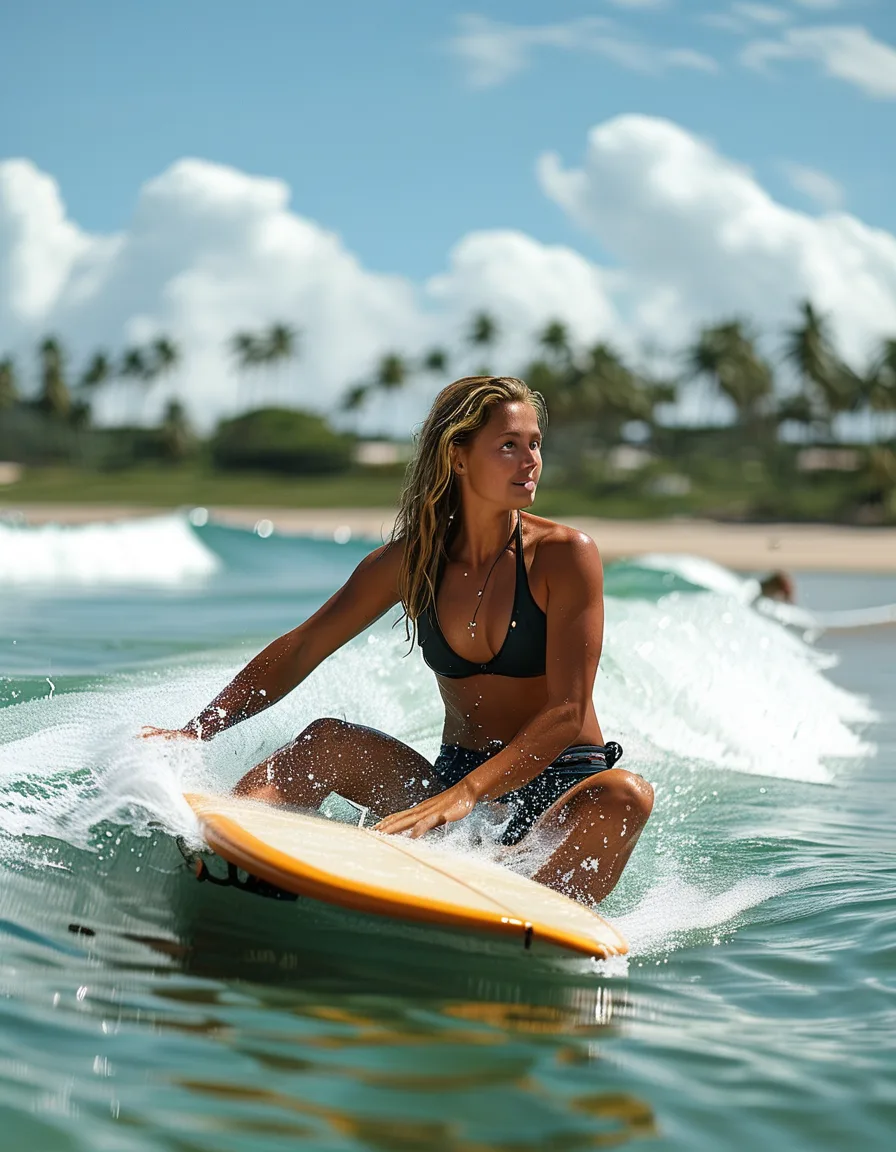
The setup-determines-outcome logic: the paddling-too-far-back-on-the-board-causes-the-nose-to-ride-too-high-and-lose-wave-momentum (the incorrect weight distribution affecting whether the board even catches the wave with enough speed — the too-far-back-loses-momentum), the the-paddling-too-far-forward-causes-the-nose-to-dig-into-the-water-known-as-pearling (the the opposite positioning error causing the board to nosedive rather than glide — the too-far-forward-causes-pearling), the the-a-poor-catch-position-means-theres-no-stable-glide-to-pop-up-from-regardless-of-pop-up-technique (the the pop-up motion having nothing solid to work from if the board isn’t gliding properly in the first place — the poor-catch-removes-stable-base-for-pop-up), and the reframe (pop-up failures very often originating in the seconds before the pop-up even starts, at the paddling and catch position, rather than in the standing motion itself)).
The Specific Paddle Positioning Check That Fixes It
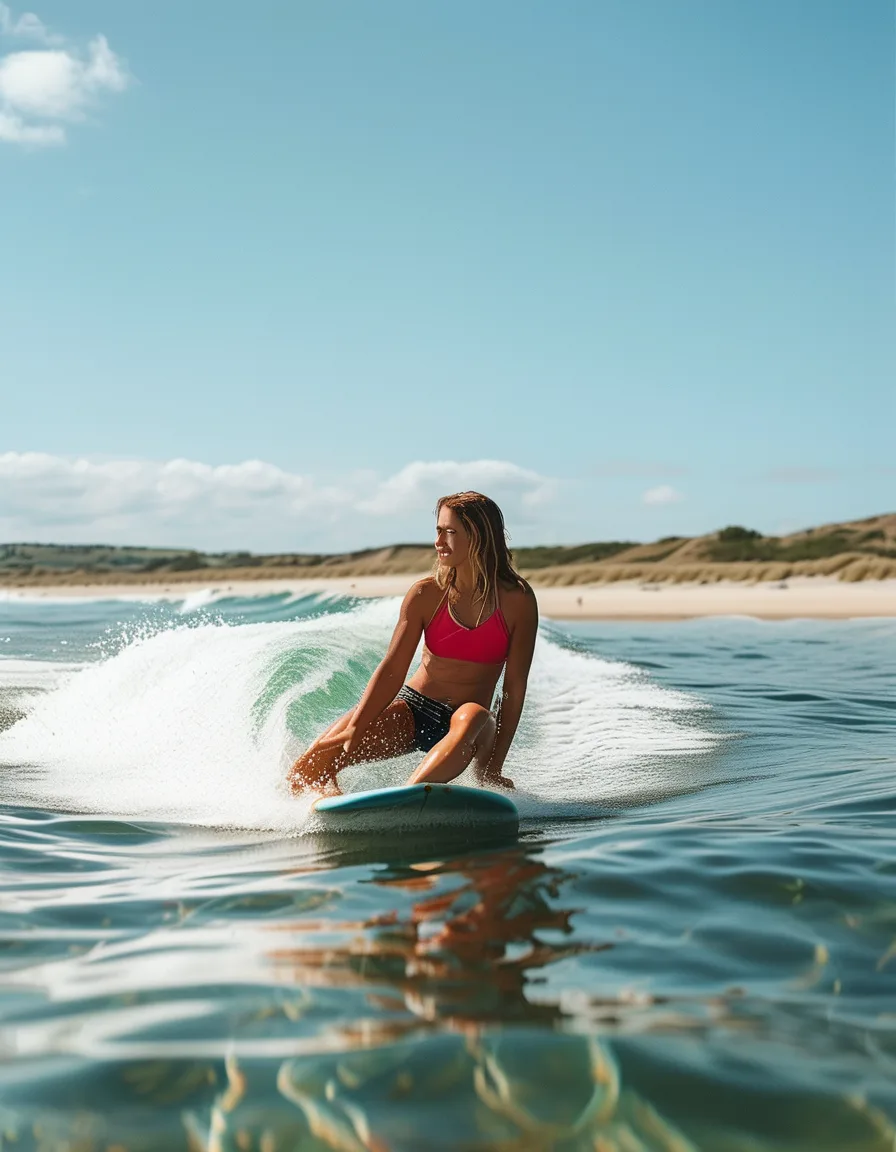
How to actually check it: the position-the-body-so-the-nose-of-the-board-sits-slightly-above-the-waterline-while-paddling (the a specific, visible reference for correct weight distribution before the wave arrives — the nose-slightly-above-waterline-is-correct-position), the the-check-this-position-during-flat-water-paddling-before-ever-attempting-to-catch-a-wave (the confirming the positioning in calm, low-pressure conditions rather than only under wave pressure — the check-position-in-flat-water-first), the the-adjust-body-position-forward-or-backward-in-small-increments-until-the-nose-sits-correctly (the a fine-tuning process rather than a single guess at the right spot — the small-increment-adjustments-until-correct), and the frame (positioning so the nose sits slightly above the waterline, checked first in flat water, adjusted in small increments — the specific setup check that precedes any wave-catching attempt).
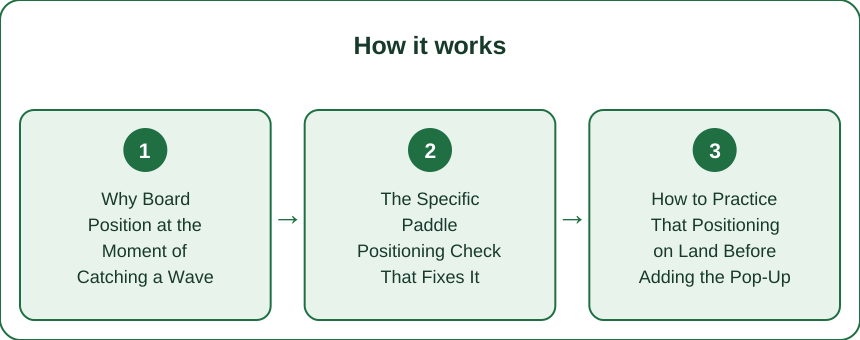
How to Practice That Positioning on Land Before Adding the Pop-Up Motion
The land practice progression: the lie-on-the-board-on-sand-or-grass-and-find-the-same-nose-above-waterline-position-by-feel (the recreating the paddling position stationary on land to internalize the correct body placement — the recreate-position-on-land-by-feel), the the-mark-the-correct-hand-or-hip-position-on-the-board-with-tape-as-a-repeatable-reference (the a visible, repeatable marker removing guesswork once back in the water — the mark-position-with-tape-for-repeatability), the the-only-add-the-full-pop-up-motion-once-the-correct-paddle-position-can-be-found-quickly-and-consistently-on-land (the sequencing the standing motion after the base positioning is already reliable — the add-pop-up-after-position-is-consistent), and the frame (finding and marking the correct position on land, then only adding the pop-up motion once that positioning is quick and consistent — a progression that fixes the setup before layering on the harder skill).
Beginner surfers who keep failing to stand up often drill the pop-up motion repeatedly without realizing a poorly positioned paddle stance right before catching the wave frequently dooms it before any standing motion begins — paddling too far back loses wave momentum while paddling too far forward causes the board to nosedive, and either error removes the stable glide a pop-up needs to work from. The fix is positioning the body so the nose of the board sits slightly above the waterline while paddling, checked first in flat, calm water before ever attempting to catch a wave, adjusting in small increments until it’s correct. Practice that positioning on land first by lying on the board on sand or grass to find the same nose-above-waterline position by feel, marking the correct hand or hip placement with tape, and only adding the full pop-up motion once that base positioning can be found quickly and consistently.
Keep Reading
This article is for general informational and styling purposes only. Fit, sizing, and product availability may vary.